
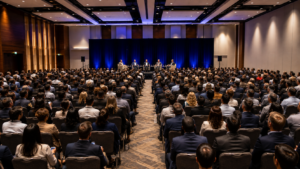
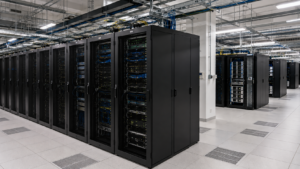
AI data centers are pushing cooling systems into territory that traditional facilities were not designed for. Higher rack densities, concentrated GPU heat loads, and fast workload changes are creating new problems during design and operation. The 9th High-Density AI Data Center Cooling & Thermal Management Summit brought those issues into focus in Dallas on 18–19 August 2026. The programme looked at what happens when cooling systems move from design drawings into real facilities. It covered thermal performance, liquid cooling, water constraints, automation, infrastructure reliability and the practical challenges of operating at scale.
Looking at cooling beyond the design stage
The summit focused heavily on what operators actually face once high-density systems go live. Commissioning delays, CDU failures, leak risks and unstable performance can quickly turn a promising cooling design into an operational problem. The discussions therefore looked at both system design and what happens on site.
Day one
New Variables for a New Industrial Revolution? Strategies for building certainty for A.I. infrastructure at Hyperscale
Matthew FRANCIS – Construction Manager, Hoffman Construction Company
The keynote looked at the changing requirements around AI infrastructure at hyperscale. Water constraints and sustainable cooling were key considerations. The discussion also covered low-water and closed-loop strategies. At the same time, it considered how CSA infrastructure needs to align with high-density cooling and power requirements. Construction timelines, operational resilience and long-term scalability also formed part of the discussion.
Bridging the Gap Between Cooling Design and Site Execution
Omair KHAN – Design Director, Yondr Group
Taylor SLACK – Director of Construction, Crusoe
A cooling design can look right on paper and still face problems during site execution. This fireside chat focused on that gap. The discussion covered transient thermal behaviour in GPU-intensive workloads and the challenge of localised hotspots. It also looked at uneven rack-level heat distribution, differences between training and inference cooling profiles, and the thermal effects of next-generation chip architectures.
Passivation 101: Protecting What Matters
John R. SMITH – Senior Chemist & Environmental Manager, Allegheny Surface Technology
Passivation can play an important role in protecting stainless steel cooling infrastructure. This session introduced the subject by looking at what passivation is and the options and advantages it offers. It also examined threats to the passive layer. Specifications and testing formed another part of the discussion. The session gave attendees a closer look at an area that can affect the reliability of cooling infrastructure.
Engineering AI Data Centers – Building Zero-Downtime Critical Infrastructure
Klyne SMITH – Program Director of Datacenter Systems Engineering, Southern Methodist University
Kevin WIDNER – Director, IT Systems Reliability, ERCOT
Reliable infrastructure becomes even more important as AI workloads increase rack density. This fireside chat looked at engineering reliability across critical digital infrastructure. It also considered infrastructure vulnerabilities that may appear as rack densities increase. The discussion focused on building resilient systems that can support high-density AI workloads. The emphasis stayed on reliability and preparing infrastructure for future requirements rather than simply meeting current needs.
Air Removal In Liquid Cooling Systems
Michael GANTERT – CEO, Aalberts HFC, NA
Air and oxygen can affect the performance of liquid cooling systems. This session examined their impact and looked at best practices for removing air from the system. It also considered the energy efficiency gains that proper air removal can provide. Monitoring for system resiliency formed another part of the discussion. The session focused on a practical issue within liquid cooling that can affect both efficiency and system performance.
The Hidden Risks in Stainless Steel Cooling Infrastructure
Michael GANTERT – CEO, Aalberts hfc, NA
Robert SCHLEICHER – Technical Sales Manager, Allegheny Surface Technology
John R. SMITH – Senior Chemist & Environmental Manager, Allegheny Surface Technology
Tom JOHNSON – Regional Sales Manager, Allegheny Bradford Corporation
Stainless steel plays an important role in advanced cooling systems, but the infrastructure can carry risks that are easy to overlook. This panel brought together specialists to examine those risks. The session followed the earlier focus on passivation and stainless steel protection. It allowed attendees to look more closely at the materials and processes supporting high-density cooling infrastructure.
Advanced Management of Condenser Entering Air Temperature for Mission-Critical Air-Cooled Chillers
Mike METHE – Director of Mission Critical, Smart Cooling
Managing condenser entering-air temperature can directly affect how air-cooled chillers perform. This session focused on advanced ways to manage that temperature in mission-critical environments. The topic was especially relevant to data centers operating in demanding conditions. By concentrating on condenser conditions, the session addressed a specific part of the cooling chain that can influence chiller performance and the ability of a facility to maintain reliable cooling.
From Infrastructure to Stewardship: Integrating the human back into the system
Karen PETERSBURG – Senior Vice President, Data Center Design & Engineering, Powerhouse Data Centers
Cooling infrastructure does not operate in isolation. This session looked at the shift from hidden infrastructure toward human-centered stewardship. It identified four challenges: AI-driven demand, workforce loss, community trust gaps and siloed solutions. The discussion introduced the Human Integration Model and its four pillars: a human-first mindset, ecosystem thinking, relationship networks and integrated workflows. It also stressed that AI reflects how organisations operate.
The Reality of Delivering High-Density AI Data Centers at Scale
Klyne SMITH – Program Director of Datacenter Systems Engineering, Southern Methodist University
Carlos CUTTING – Associate Director of Development & CSA for AMER, LATAM, & APAC, CloudHQ
Stuart LAWRENCE – SVP – AI Innovation, Stream Data Centers
Rafael ASTUTO – Sales Engineering Director, Ascenty
Moving from plans to large-scale deployment brings its own set of challenges. This panel looked at the practical reality of delivering high-density AI data centers. Water constraints and sustainable cooling were part of the discussion. So was the need to align CSA infrastructure with high-density cooling and power requirements. The panel also considered construction timelines, operational resilience and long-term scalability as AI facilities continue to grow.
Day two
Operating Mega Campuses 1GW+: Challenges and Opportunities
José RODRÍGUEZ – Chief Operating Officer, New Era Energy & Digital
Mega campuses bring a different scale of operational challenge. This opening address focused on campuses reaching 1GW and above. The session formed part of the summit’s wider discussion about how cooling infrastructure needs to evolve as AI facilities become larger and more complex. It also set the stage for discussions around cooling performance, operational efficiency and infrastructure resilience across future-ready AI data centers.
Speed to Market Optimization for Data Center Fluid Systems
Stephen McAFEE – Business Development, DCMC, Viega
Fluid systems can become a bottleneck when projects need to move quickly. This session focused on three areas: piping system bottlenecks, press technology, and the balance between scale, speed, and sustainability. The discussion connected the practical delivery of fluid infrastructure with the broader need to accelerate data center projects. It also highlighted how the systems used to move fluids can affect the pace and sustainability of high-density cooling deployments.
Maximizing Capacity and Footprint of Your Chiller Plant – Without Water
Nick ROTH – Managing Partner, Accelerated Systems DC, ExhaustFlow
This session looked at increasing chiller capacity and efficiency without adding water use. The proposed approach introduces ambient air from outside the equipment’s operating area to eliminate recirculation. The programme highlighted up to 20% higher capacity and efficiency, a smaller footprint and fewer or smaller chillers and dry coolers. It also pointed to lower operating temperatures, improved equipment reliability and greater plant redundancy.
The Human Layer in Thermal Intelligence: Why Workforce Readiness Is a Cooling Reliability Problem
Brian HUARD – Vice President of Critical Operations, Rowan Digital Infrastructure
Automation can improve cooling operations, but it can also create new risks when teams cannot interpret or respond to system behaviour. This session examined that human layer. It covered the limits of relying on lagging indicators and the need for earlier warning signals. It also looked at cognitive overload, reduced situational awareness and communication breakdowns. The discussion connected workforce readiness directly with cooling reliability in complex environments.
Next-Generation Thermal & Liquid Architectures for Scalable Data Centers
Redmond HUM – Head of Business Development, Data Center Cooling Solutions (North America), Clivet
As AI facilities scale, their thermal architecture needs to scale with them. This presenting-partner session focused on next-generation thermal and liquid architectures for scalable data centers. The topic fits directly into the summit’s wider focus on advanced cooling systems and high-density environments. It also connected with the need to bridge engineering design and real-world performance as operators prepare infrastructure for growing AI workloads.
From Dashboards to AI-Assisted Operations: AI-Driven Cooling, Capacity, and Resilience in High-Density Data Centers
Gurpreit JUNEJA – Head of AI, STACK Infrastructure
AI can do more than add another dashboard to a data center. This session looked at using AI to optimise cooling systems, CDUs, chillers, airflow and liquid cooling loops. It also explored predictive and prescriptive operations that can identify thermal, power and capacity constraints before they become incidents. Digital twins, capacity planning, thermal forecasting and AI workload readiness were also covered.
The Next Frontier of Cooling & Thermal Management
Michael GANTERT – CEO, Aalberts hfc, NA
José RODRÍGUEZ – Chief Operating Officer, New Era Energy & Digital
Gurpreit JUNEJA – Head of AI, STACK Infrastructure
Brian HUARD – Vice President of Critical Operations, Rowan Digital Infrastructure
The closing leadership panel brought together different perspectives on where cooling goes next. The discussion focused on using AI to improve cooling performance, operational efficiency and infrastructure resilience. It also looked at evolving cooling technologies and operational models. Finally, the panel considered how engineering design can connect with real-world performance to deliver AI data centers that can handle future demands.
Event partners and sponsors
The organisations supporting the summit represented a wide range of cooling, thermal management, water, infrastructure and engineering capabilities. Their solutions covered everything from stainless steel treatment and pipework to liquid cooling, chiller optimisation and water management.
Allegheny Surface Technology – Gold Sponsor
Allegheny Surface Technology provides passivation, pickling, electropolishing and precision cleaning for stainless steel cooling systems used in data centers and critical infrastructure. Its processes aim to reduce corrosion, improve flow efficiency and support equipment reliability. The company works across new construction, maintenance and shutdown projects. It also provides onsite and in-shop services. Backed by Allegheny Bradford, Allegheny Surface Technology positions its services as part of a broader solution for high-performance cooling infrastructure.
NUPI INDUSTRIE – Premier Networking
NUPI INDUSTRIE has more than 50 years of experience in thermoplastic pipework systems. Its systems cover plumbing, HVAC, water, gas, and fuel applications. The company operates seven factories worldwide and has installations in 145 countries. For data centers, NUPI offers complete pipework solutions. Its presence at the event connects directly with the need for reliable fluid infrastructure as liquid cooling systems become more common in high-density facilities.
Smart Cooling – Bronze Sponsor
Smart Cooling focuses on precision pre-cooling and chiller performance optimisation for mission-critical data centers. Its technology reduces condenser entering-air temperatures and keeps air-cooled chillers closer to their design operating conditions when ambient conditions become challenging. The company says its approach can increase cooling capacity and energy efficiency while reducing connection load. It also offers a scalable retrofit option. The system can integrate into existing infrastructure without major chiller modifications or operational disruption.
Viega – Bronze Sponsor
Viega focuses on press fitting technology and offers more than 3,000 products for commercial and industrial projects. Its portfolio includes ProPress®, MegaPress®, MegaPressG®, PureFlow® and radiant heating and cooling systems. The company describes its approach around safer, faster and cleaner installation. That makes its presence relevant to the summit’s focus on fluid systems and the practical challenges of building cooling infrastructure. Viega’s press technology also featured directly in the programme through its session on data center fluid systems.
Aalberts – Presenting Partner
Aalberts provides mission-critical technologies for modern data centers. Its portfolio includes hydronic specialties and direct-to-chip liquid cooling solutions from brands such as Nexus Valve, Flamco, Apollo Valve and Shurjoint. The company focuses on performance, reliability and sustainability. Its solutions aim to support efficient cooling, lower energy use and stable system operation. Aalberts also featured prominently in the programme, with sessions covering air removal in liquid cooling systems and next-generation thermal and liquid architectures for scalable data centers.
ExhaustFlow Technologies – Bronze Sponsor
ExhaustFlow Technologies offers a patented integrated base system for air-cooled chillers and dry coolers in data centers. Its system aims to eliminate recirculation, air starvation, and re-entrainment. It routes ambient air from outside the recirculation region and helps maintain more uniform coil inlet temperatures. The company says this approach can provide greater capacity, efficiency and redundancy without oversizing chillers or expanding mechanical yard footprints. The solution also formed the basis of the session on maximising chiller plant capacity without water.
Clivet – Presenting Partner
Clivet designs, manufactures and distributes systems for air conditioning, heating, air renewal and air purification. The company was founded in Feltre, Italy, in 1989. It began with chillers and heat pumps using scroll compressors and high-efficiency heat exchangers. Since then, it has developed a wider range of systems for residential, commercial, and industrial applications. At the summit, Clivet brought that cooling expertise into the discussion through its focus on next-generation thermal and liquid architectures for scalable data centers.
Condair – Exhibiting Partner
Condair‘s event description focuses on data center humidification and evaporative cooling. Humidifiers can help prevent electrostatic discharge that could damage servers. They can also provide high-capacity, lower-cost evaporative cooling. The description notes that humidification may be required in many parts of the world to maintain suitable internal conditions. Condair also highlights the use of adiabatic humidifiers alongside free-air cooling systems. These systems can add cooling on hot days and extend the operating window without relying solely on traditional DX chillers.
Xylem – Exhibiting Partner
Xylem focuses on water technology and the challenge of reducing water use in data center cooling. Its solutions cover hydronic cooling, water treatment, filtration, heat exchange and digital monitoring. The company says these capabilities can help operators reduce downtime, improve thermal performance, meet compliance requirements and lower both capital and operating costs. Its work fits closely with the summit’s attention to water constraints. As cooling demand grows, water management becomes an increasingly important part of thermal infrastructure planning.
We Install AI – Exhibiting Partner
We Install AI specialises in infrastructure deployment for AI and data center environments. Its work includes GPU cluster deployments, HPC rollouts, AI-ready data centers, fibre and structured cabling, infrastructure migrations and technical staffing. The company coordinates multiple stakeholders and manages execution under tight timelines. Its approach aims to reduce rework, operational risk and delivery delays. By providing a single point of accountability from deployment through completion, We Install AI addresses the practical execution side of increasingly complex AI infrastructure projects.
Rice-Brothers – Exhibiting Partner
Rice-Brothers provides engineering, EPC, construction, maintenance and electrical and instrumentation services. The company highlights decades of experience and a focus on safety, planning, training and execution. Its projects use experienced managers, trained supervision, certified safety personnel and skilled labour. Rice-Brothers can also self-perform major craft disciplines. That gives customers a single-source option for different project requirements. The company works with clients to address their specific challenges and provide cost-effective and timely solutions.
Horizon Roofing – Exhibiting Partner
Horizon Roofing focuses on commercial roofing services, including flat roofing, architectural sheet metal, maintenance, inspections, shingling, and siding. It also provides 24/7 service. The company has invested more than 30,000 programming hours into proprietary reporting systems. These systems allow customers to follow projects throughout the process. Horizon Roofing also highlights its use of new technologies and building practices. Its inclusion among the event’s exhibiting partners adds a construction and building-envelope perspective to the wider infrastructure discussion.
Harrison Electropolishing – Exhibiting Partner
Harrison Electropolishing provides high-purity surface finishing through electropolishing, passivation, mechanical polishing, and precision cleaning. The company has worked in the field since 1980. Its event description connects that work directly to advanced liquid cooling and thermal management in AI data centers. Micro-contaminants and corrosion can affect system performance. Harrison’s processes create micro-smooth metal surfaces for piping, manifolds and fluid-distribution networks. The company says this can reduce surface friction, minimise particulate traps and improve corrosion resistance for data center operators and OEM hardware manufacturers.
WARE – Exhibiting Partner
WARE is an industrial and commercial boiler rental and service company with 75 years of experience. It operates a large fleet of rental boilers. For data centers, WARE provides large-scale chiller testing using mobile rental boilers and heat exchangers. These systems can simulate real operating heat loads before commissioning. That testing capability addresses an important point raised throughout the summit: cooling systems need to perform in real operating conditions. Testing before commissioning can give project teams a better view of how systems will respond under load.
Tranter – Exhibiting Partner
Tranter provides plate heat exchangers and aftermarket services for data centers and industrial applications. Its focus is on high-efficiency cooling solutions. The company operates a global engineering, manufacturing, and service network. That network allows it to provide cooling solutions close to customers in different markets. Its work fits naturally into the summit’s focus on thermal management. Heat exchangers remain an important part of cooling infrastructure, particularly as data centers look for reliable and energy-efficient ways to manage increasingly demanding thermal loads.
Mee Industries – Exhibiting Partner
Mee Industries has engineered fog cooling solutions since 1969. Its MeeFog technology supports hyperscale and AI data center applications. The company focuses on reducing mechanical cooling demand while improving cooling resilience and lowering energy use. That approach gives operators another option when they need to manage high heat loads efficiently. It also connects with the summit’s wider focus on cooling performance and infrastructure efficiency. As AI facilities continue to increase rack densities, reducing the mechanical cooling burden can become an important part of the overall thermal strategy.
Blast Resource Group – Exhibiting Partner
Blast Resource Group provides engineering services and blast-resistant products for the oil, gas, and petrochemical industries. Its work covers the design and procurement of blast-resistant buildings and related accessories. The company has more than three decades of experience in blast-resistant design and construction. Its presence among the exhibiting partners brings an infrastructure and specialist construction perspective to the event. While the summit focused on data center cooling and thermal management, the broader infrastructure environment also depends on specialist engineering and construction capabilities.
Endress+Hauser – Exhibiting Partner
Endress+Hauser provides measurement and automation technologies for process and laboratory applications. The family-owned company serves industries including chemical, food and beverage, life sciences, power and energy, oil and gas, and water and wastewater. Its products provide process data and insights. They also support process optimisation, efficiency and safety. Endress+Hauser has more than 9,400 patents and patent applications. Its measurement and automation expertise fits with the event’s growing focus on monitoring, control and intelligent thermal operations.
Honeywell Aerospace – Exhibiting Partner
Honeywell Aerospace operates as an independent aerospace and defense company. Its technologies support commercial air transport, business aviation, defense and space platforms. The company’s portfolio includes avionics and navigation systems, engines and power systems, and aircraft control systems. It is headquartered in Phoenix, Arizona, and employs more than 36,000 people globally. Honeywell Aerospace also supports more than 10,000 customers. Its inclusion among the exhibiting partners adds an engineering and control-systems perspective to an event focused on increasingly complex infrastructure.
To sum up
The summit made one point clear: cooling is no longer a supporting part of AI data center design. It is becoming one of the main factors that determines how much infrastructure can be deployed, how reliably it can operate, and how quickly it can scale. The discussions moved from stainless steel and fluid systems to liquid cooling, chiller performance, water use, AI-assisted operations, and workforce readiness. Each topic addressed a different part of the same challenge.
The next stage will require operators and engineers to connect these pieces earlier. Future summits will provide another opportunity to examine what is working in real facilities, where cooling systems still fall short, and how the industry can respond as AI workloads continue to grow. For anyone involved in data center design, engineering, cooling, or operations, attending a future summit can provide a useful place to learn from industry peers and explore the technologies shaping the next generation of AI infrastructure.