
Carbon Credits: What Role Do They Play in a Scope 3 Strategy?
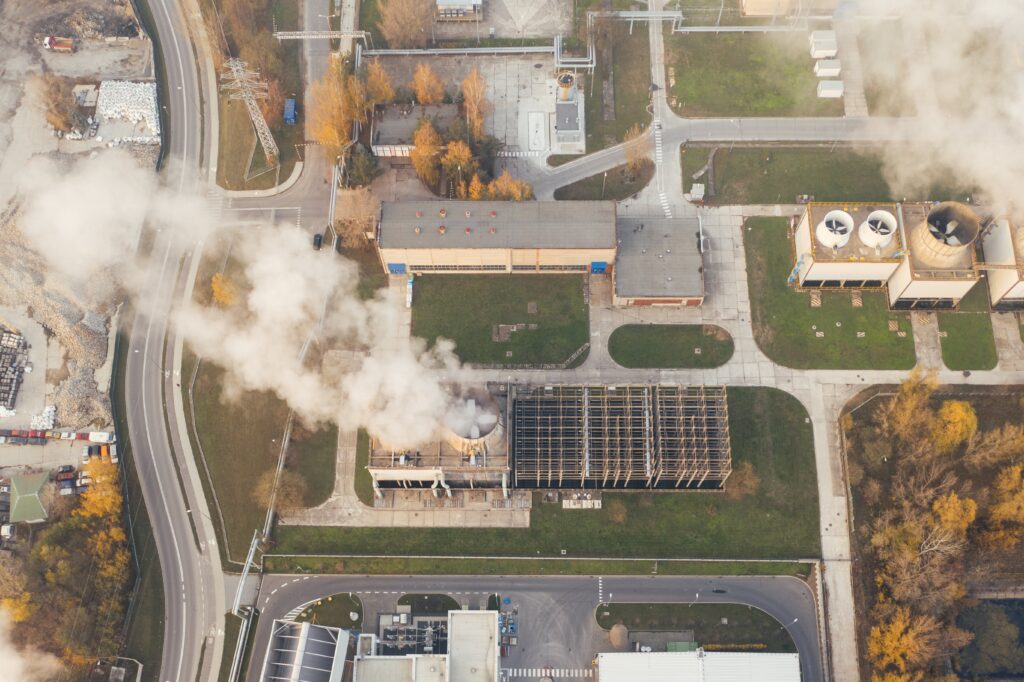
With the urgency of climate change intensifying, companies are scrambling to address their greenhouse gas footprints. While many focus first on reducing Scope 1 and 2 emissions from their direct operations, Scope 3 poses a far greater challenge. Moreover, scope 3 encompasses all indirect upstream and downstream emissions across a company’s entire value chain. Tackling […]
Product Design for Scope 3: Strategies to Slash Emissions

The climate crisis demands urgent action across all sectors of the economy. For manufacturers, addressing Scope 3 emissions is essential. It meets ambitious decarbonization goals. Moreover, scope 3 emissions stem from activities upstream and downstream of a company’s direct operations. So, from raw materials to product disposal, the lifecycle of manufactured goods harbors major carbon […]
Connecting Platforms to Shore Power: The Role of Subsea Cables

Offshore oil and gas platforms have traditionally relied on local gas or diesel turbines. This is to provide the electricity needed to power operations. However, transmitting renewable energy to platforms through subsea cables in the oil and gas industry presents a promising opportunity. It reduces the carbon footprint of offshore production. Moreover, electrifying operations with […]
Financing and Contracts: Critical Enablers of Renewable Energy PPAs
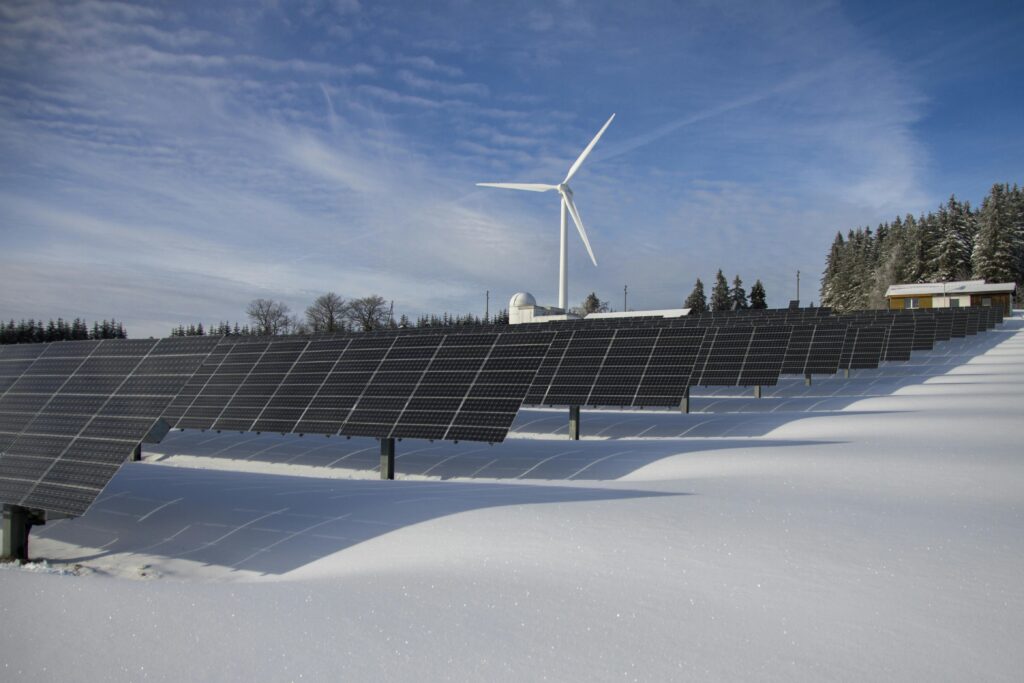
The transition to clean energy faces major bottlenecks. It includes inadequate financing mechanisms and challenging power procurement processes. As a result, it limits the wider adoption of methods like renewable energy PPAs (Power Purchase Agreements). Furthermore, innovative financing structures and evolved PPA contract terms are critical. It unlocks the next wave of rapid corporate renewable […]
The Rise of Multi-buyer PPAs: Models, Benefits and Challenges
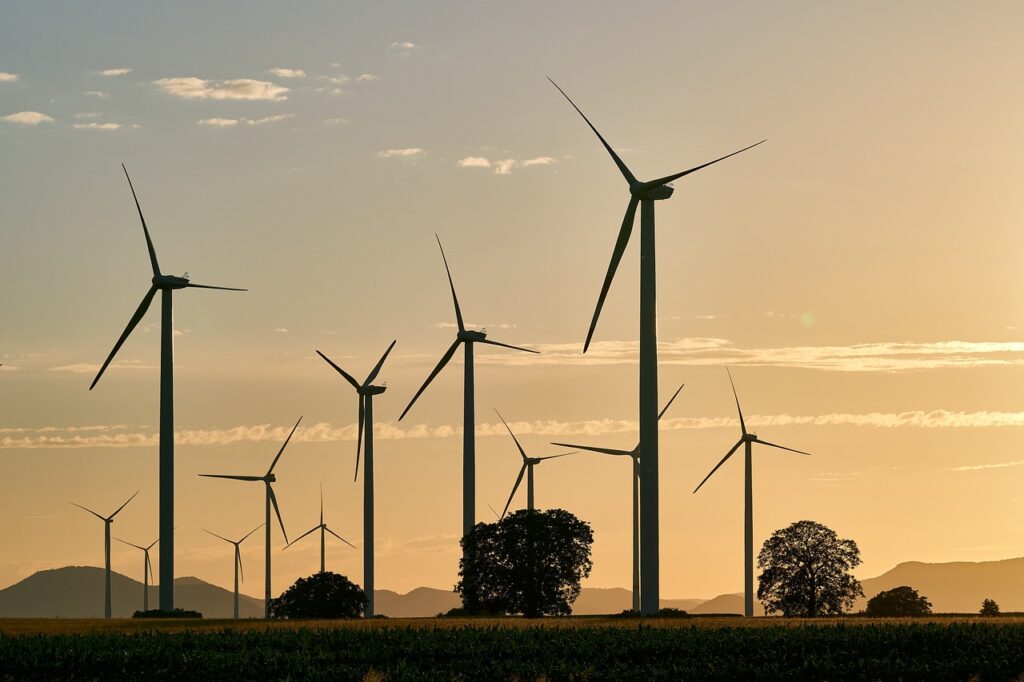
Corporate renewable energy procurement is accelerating rapidly. Multi-buyer agreements now comprise 15% of that demand, up from less than 5% in 2017. These structures aggregate corporations under shared contracts. As a result, it allows for steadier revenue streams for project developers while the buyers benefit from risk mitigation and reduced procurement costs. This article analyzes […]
Networking Opportunities at the 2024 Net Zero Data Centre Summit: Who Will You Meet?
With climate change accelerating, data centers find themselves in the crosshairs. Representing massive and growing energy loads, pressure mounts for these critical IT infrastructure hubs. It is the pressure to curb their emissions profile. But the path to net zero remains unclear for many operators. Moreover, progress depends on collaboration with others navigating the same […]
Case Studies: Successful Energy Reduction Initiatives in Global Data Centres

Did you know? The energy application centre for data centres is projected to consume more than 8 billion dollars this year. Further, a recent Uptime Institute survey of data centre operators globally found that merely 27% measure their environmental impact. So, it indicates much work lies ahead to curb runaway growth in consumption. However, pioneering […]
Leading Experts Converge to Address Data Centre Sustainability at Berlin Summit

Did you know? The market for colocation data centre market is expected to reach 131 billion dollars by 20230. It is showing a significant increase from last year’s 57 billion dollars. As a result, curbing emissions from them has become imperative. So, to tackle this emerging crisis, over 100 international data centre leaders across disciplines […]
The Net Zero Data Centre Summit 2024: Pioneering Sustainable IT Infrastructure
Our digital infrastructure stands at a crossroads today. Data centers, the beating heart of our online world, are also massive energy consumers. They collectively generate over 205 terawatt-hours annually. So, this equals a demand on par with a few country’s total demand. As emerging technologies like AI, IoT, and 5G go mainstream over the next […]
Best Practices in Data Centre Design for Energy Efficiency

Data centres currently account for a great chunk of the global electricity demand. However, based on exponential growth, they could consume over 20% by 2030 if left unchecked. This creates an urgent imperative to curb emissions. That too at scale through optimized technical design across architecture, engineering, and IT systems over lengthy, multi-decade building lifecycles. […]